
Grow Green Anywhere: Sustainable Container Gardening Tips
Chosen theme: Sustainable Container Gardening Tips. Turn your balcony, porch, or windowsill into a resilient micro-garden using resource-smart methods, joyful stories, and actionable guidance. Share your experiments, ask questions, and subscribe for weekly container-friendly ideas.

Right Plant, Right Pot
Match plant size to container depth so roots can breathe, soil stays stable, and watering schedules remain sensible. Dwarf tomatoes, compact herbs, and shallow-rooted greens excel in modest pots while reducing inputs, waste, and frustration throughout the growing season.
Close the Loop at Home
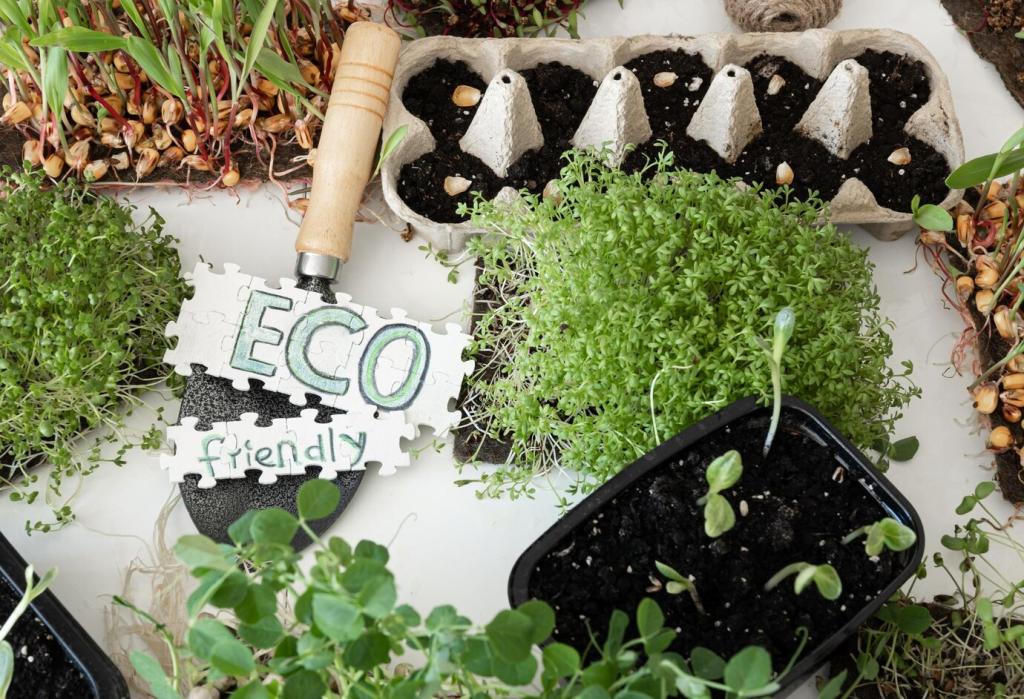
Save kitchen scraps for compost, reuse rainwater, and keep pruned stems for mulch. When seeds come from last year’s successes, and containers are repaired instead of replaced, your garden becomes a living example of everyday circular design.
Smarter Containers: Safe, Durable, and Reused
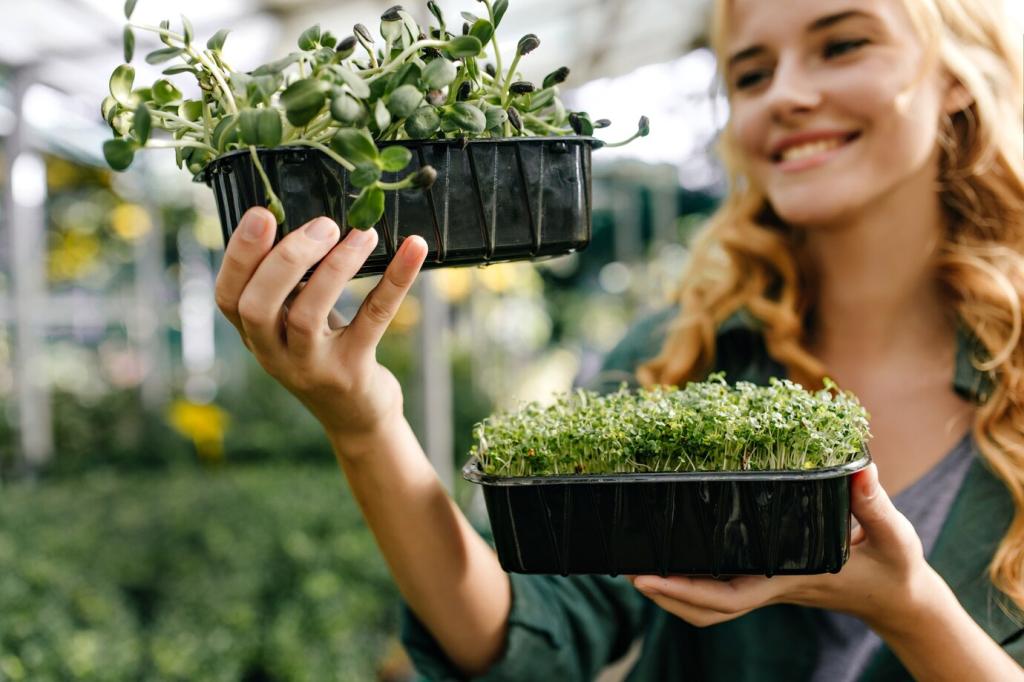
Terracotta breathes but dries quickly; glazed ceramic retains moisture; fabric pots foster air-pruning; food-grade plastic is lightweight and tough. Look for resin codes 2, 4, or 5, and avoid questionable coatings that might leach into soil over time.
Smarter Containers: Safe, Durable, and Reused
Drill generous holes, cover them with mesh or a scrap of burlap to prevent soil loss, and skip the gravel myth. Pair pots with saucers to capture water, then reuse that water for thirstier plants during hotter, windier afternoons.
Blend coconut coir or leaf mold for structure, sifted compost for nutrients, and perlite or pumice for aeration. A pinch of biochar improves cation exchange and water retention, preventing compaction while keeping your containers naturally resilient.
Self-Watering and Wicking Systems
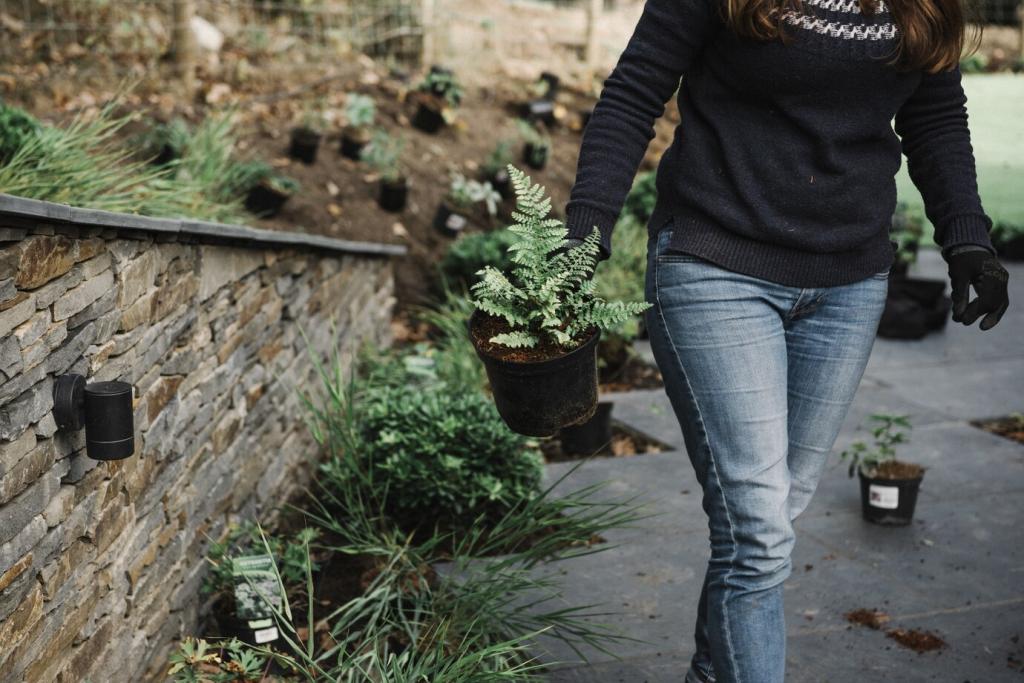
Reservoir planters and wicking beds deliver moisture from below, limiting evaporation and daily labor. They cushion plants during heat waves, making it easier to travel a weekend without returning to wilted lettuce or scorched basil.
Mulch, Shade, and Timing
Top your pots with shredded leaves, straw, or coir chips to protect bare soil. Water early, add light afternoon shade cloth during heat spikes, and rotate dark containers away from reflective walls that intensify midday stress.
Ollas and Greywater Clarity
Bury clay ollas for gentle seepage and reuse lightly soapy water from biodegradable soaps on ornamentals, not edibles. Avoid bleach, softeners, and salty residues. Tell us your water-saving wins and help neighbors adopt smarter routines.
Feeding the Pot Sensibly
Mix in slow-release organics like alfalfa meal, kelp, and a dusting of rock minerals. These release gradually, reducing runoff and supporting steady growth without the surge-and-crash cycles common with strong synthetic fertilizers.
Choosing Plants With Purpose
Compact, Productive Varieties
Look for dwarf tomatoes, bush beans, patio peppers, and micro-dwarf fruiting types. Cut-and-come-again lettuces and baby kales produce multiple harvests, stretching every inch of soil while staying manageable for new gardeners and busy schedules.
Native Allies in Pots
Native flowers such as yarrow, penstemon, or asters adapt well to containers and welcome beneficial insects. Their deeper resilience reduces inputs while creating balcony ecosystems buzzing with life, sound, and unexpected seasonal color shifts.
Companions and Successions
Tuck basil near tomatoes, interplant chives with strawberries, and re-sow greens every few weeks. Companion choices maximize space, confuse pests, and keep harvests rolling without demanding extra fertilizer or constant pot upgrades.
Track the Sun Honestly
Count true hours of direct light across seasons, not just summer peaks. Reflective walls intensify heat; tree canopies shift shadows. Adjust container positions monthly to keep fruiting crops bright and leafy greens comfortably cool.
Tame the Wind
Wind steals moisture and snaps stems in tall pots. Add discreet windbreaks, group containers together, and secure trellises. A simple bamboo frame with twine can stabilize peas and cucumbers while reducing stress-driven water needs.
Seasonal Transitions
Before cold arrives, cluster pots and insulate with leaves or cardboard. Overwinter perennial herbs near walls that radiate warmth. Share your seasonal tricks, and subscribe for timely reminders tailored to small-space growers.
Community, Sharing, and Ongoing Learning
Seed Swaps and Tool Libraries
Trade saved seed from balcony successes and borrow seldom-used tools from neighbors. You reduce waste, meet mentors, and discover varieties that genuinely perform in containers instead of relying on glossy catalog promises.
Measure What Matters
Track watering frequency, harvest weight, and potting mix longevity. Small notes reveal which practices save water, cut costs, and improve flavor. Post your findings and help build a crowdsourced guide for urban gardeners everywhere.
Join the Conversation
Comment with your thriftiest planter hack, tag us in photos of reclaimed containers, and subscribe for monthly challenges. Together we will keep testing Sustainable Container Gardening Tips that turn tiny spaces into generous, resilient gardens.